
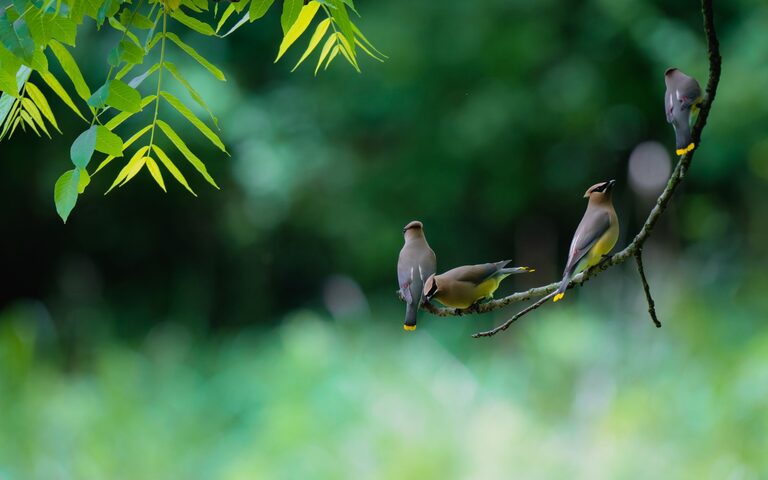

Birdwatching is a rewarding hobby that connects you with nature and helps you appreciate the beauty of wildlife in your own backyard. For beginners, it can feel overwhelming knowing where to start or what equipment to use. This guide offers practical tips for backyard birdwatching that are easy to follow, requiring minimal investment but promising plenty of enjoyment.
Why Birdwatching at Home?
Birdwatching doesn’t require traveling to remote locations or joining expensive clubs. Your backyard or a nearby park can become a perfect spot to observe a variety of birds. Watching birds promotes relaxation, sharpens observation skills, and helps you learn more about local wildlife.
Getting Started: What You Need
1. Choose a Good Spot
Look for a place in your yard that is quiet and has natural shelter like trees or shrubs. Birds are attracted to areas where they can find food, water, and protection. A spot near a window or a porch with a clear view is ideal for observing without disturbing the birds.
2. Invest in Basic Equipment
You don’t need fancy gear to start birdwatching, but a few simple tools make the experience better:
– Binoculars: A pair of lightweight binoculars with moderate magnification (around 8x) helps you see details without being too heavy or complicated.
– Field Guide or App: A bird identification book or a mobile app tailored to your region helps you recognize different species.
– Notebook or Journal: Keeping notes or sketches of your sightings can be fun and educational.
Attracting Birds to Your Backyard
Creating a welcoming environment will bring more birds into view.
1. Provide Food
Bird feeders are a popular way to attract birds. Different types of feeders and food appeal to various species:
– Seed Feeders: Black-oil sunflower seeds attract many common backyard birds like finches and chickadees.
– Suet Feeders: Great for woodpeckers and nuthatches, suet provides high energy, especially in colder months.
– Hummingbird Feeders: Filled with sugar water, these feeders attract hummingbirds during warm seasons.
Remember to clean feeders regularly to keep birds healthy.
2. Offer Water
Birds need fresh water for drinking and bathing. A birdbath filled with clean water at ground level or raised can attract many species. Adding a small fountain or dripper can make the water more inviting.
3. Provide Shelter and Nesting Sites
Native plants, shrubs, and trees offer natural cover and nesting opportunities. You can also install birdhouses suitable for local species to encourage breeding in your yard.
Observing and Identifying Birds
1. Be Patient and Quiet
Birds can be shy and easily scared off by sudden movements or loud noises. Sit quietly and move slowly to avoid startling them.
2. Use Your Field Guide or App
Pay attention to the bird’s size, color, shape, beak type, and behavior. Listening to bird calls and songs can also help with identification.
3. Record Your Sightings
Writing down what you see helps improve your skills and creates a personal record. Note the date, time, weather, and any unique behaviors.
Additional Tips for Enjoying Backyard Birdwatching
– Watch at Different Times: Birds are active at various times of day. Early mornings and late afternoons often yield the most sightings.
– Learn About Local Birds: Each area has its own common species. Understanding their habits makes spotting and identifying them easier.
– Join a Community: Online forums, birdwatching groups, or local clubs offer advice, support, and opportunities to learn from others.
– Respect Wildlife: Always observe from a distance and avoid disturbing nests or feeding sites.
Conclusion
Backyard birdwatching is a simple, enjoyable way to connect with nature daily. By setting up your space thoughtfully, offering food and water, and practicing observation skills, you’ll soon find yourself spotting a variety of birds. All it takes is a little patience and curiosity to turn your outdoor space into a lively birdwatching haven.
Happy birdwatching!