
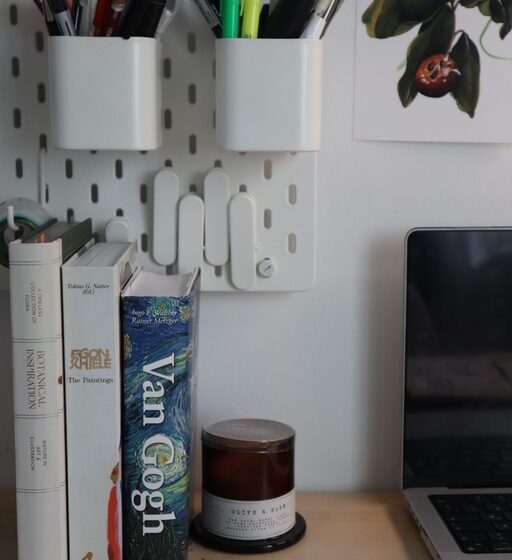

Managing paper clutter is a common challenge in many households. Bills, receipts, mail, school papers, and important documents often pile up quickly, leading to a disorganized space that can increase stress and make it harder to find what you need. The good news is that reducing paper clutter doesn’t have to be difficult or time-consuming. With a few simple strategies, you can streamline your paper management and enjoy a tidier, more manageable home environment.
Why Reduce Paper Clutter?
Before diving into practical tips, it helps to understand why reducing paper clutter is beneficial:
– Saves Time: Less clutter means less time spent searching for documents.
– Reduces Stress: A clear space can promote calm and focus.
– Protects Important Documents: Organized papers are less likely to get lost or damaged.
– Creates Space: Free up surfaces and storage areas for other uses.
– Supports Sustainability: Reducing paper use helps the environment.
Easy Steps to Cut Down Paper Clutter
1. Set Up a Central Paper Station
Having a designated area for all incoming paper can prevent piles from spreading throughout your home.
– Choose a spot near your main entrance or where mail is usually dropped.
– Use trays, baskets, or file holders to separate different types of papers, such as:
– Incoming mail
– Bills to pay
– To file
– To shred or recycle
2. Go Digital Whenever Possible
Switching to digital documents is one of the most effective ways to reduce physical paper.
– Opt for e-statements and e-bills: Most banks and service providers offer paperless options.
– Use scanning apps: Digitize important documents or receipts using smartphone apps.
– Store files securely: Use cloud storage services or an external hard drive to keep digital files organized and accessible.
3. Regularly Sort and Purge
Make it a habit to sort through paper clutter regularly to prevent buildup.
– Schedule a weekly or monthly “paper purge” session.
– Keep only essential documents; recycle or shred the rest.
– Use a simple checklist to decide what to keep, like tax documents, warranties, or medical records.
4. Create a File System That Works for You
An effective filing system makes it easier to store and find papers.
– Use labeled folders or binders arranged by category, such as:
– Household bills
– Medical records
– Insurance papers
– School documents
– Consider color coding to quickly identify categories.
– Keep frequently used files in an easy-to-reach location.
5. Handle Paper Immediately
Adopt the habit of dealing with paper as soon as it comes in.
– Sort mail and documents right away instead of setting them aside.
– Throw away junk mail and flyers immediately.
– Pay bills or respond to invitations promptly to prevent them from piling up.
6. Limit Printed Materials
Reducing the amount of paper you bring into your home helps control clutter at its source.
– Unsubscribe from unnecessary mailings and catalogs.
– Avoid printing emails or documents unless absolutely necessary.
– Use digital note-taking tools instead of paper notebooks.
7. Use Storage Solutions Wisely
For papers that must be kept, proper storage is key.
– Invest in a sturdy filing cabinet or portable file box.
– Use accordion folders for documents you don’t need often.
– Keep important papers in waterproof sleeves or folders to protect them from damage.
8. Teach Family Members to Stay Organized
Paper clutter affects everyone in the home, so encourage good habits family-wide.
– Set clear expectations for handling mail and school papers.
– Create fun organizing routines for kids, like sorting their own papers weekly.
– Lead by example by maintaining your own paper area.
Bonus Tips for Maintaining a Paper-Clutter-Free Home
– Use a calendar to track bills, appointments, and deadlines.
– Keep a “to shred” bin for documents with sensitive information.
– Review your paper management system every few months and adjust as needed.
Conclusion
Reducing household paper clutter is achievable with simple, consistent habits and an organized approach. By setting up a system, embracing digital solutions, and involving everyone in your home, you can enjoy a cleaner, more organized living space. Start small, stay consistent, and watch paper clutter become a thing of the past!